The Importance of Hydration: Why Water is Essential for Your Body
- Flex and Fuel

- Mar 30, 2025
- 4 min read
Water is the essence of life, making up around 60% of the human body. It plays a crucial role in maintaining overall health, from regulating temperature to ensuring proper organ function. Despite its importance, many people do not consume enough water daily, leading to dehydration and various health issues. Proper hydration is essential for energy levels, digestion, brain function, and even skin health. It helps transport nutrients, remove waste, and keep bodily systems running smoothly. Drinking adequate water also supports kidney function, preventing the build-up of toxins. Additionally, hydration improves muscle performance, making it essential for athletes and active individuals. Whether you are at work, exercising, or resting, water intake is vital for maintaining balance in the body. In this blog, we will explore the significance of hydration, its benefits, and practical ways to ensure you stay hydrated daily.
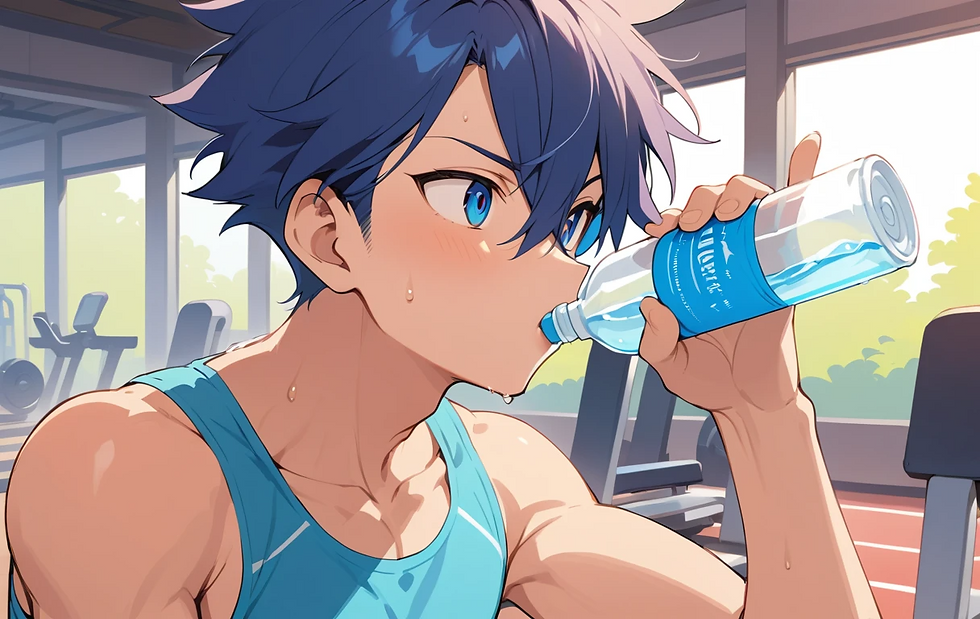
Why Hydration is Important?
Water makes up about 60% of our body and is essential for various physiological processes. Here’s why staying hydrated should be your top priority:
Regulates Body Temperature
Water helps regulate body temperature by enabling sweat production. Sweating cools the body down, preventing overheating, especially during workouts or hot weather. Proper hydration ensures that your body maintains an optimal internal temperature, reducing the risk of heat exhaustion or heat stroke. When dehydrated, the body's ability to sweat decreases, leading to higher body temperatures. This is particularly crucial for athletes and individuals who engage in intense physical activities. Drinking enough water throughout the day helps in maintaining homeostasis, allowing your body to function properly in different environmental conditions.
Enhances Physical Performance
Dehydration can lead to fatigue, muscle cramps, and reduced endurance. Drinking enough water helps maintain stamina and improves overall physical performance. When you exercise, your body loses water through sweat, and without proper replenishment, your muscles can become stiff and prone to injuries. Hydration plays a vital role in oxygen circulation, helping muscles work efficiently and reducing the risk of cramps. Athletes and fitness enthusiasts need to focus on maintaining electrolyte balance by drinking water mixed with essential minerals. Staying hydrated also aids in post-workout recovery, reducing muscle soreness and speeding up healing processes.
Supports Digestion and Nutrient Absorption
Water aids digestion by breaking down food and allowing nutrients to be absorbed efficiently. It also prevents constipation by keeping the digestive system smooth and active. Drinking sufficient water helps dissolve essential vitamins and minerals, ensuring they reach various organs and tissues. It promotes the smooth movement of food through the intestines, reducing issues like bloating and indigestion. A well-hydrated digestive system reduces acidity levels in the stomach, preventing problems like acid reflux or ulcers. Fiber-rich foods also require adequate water intake to function effectively, as water softens stools and eases bowel movements.
Boosts Brain Function
Even mild dehydration can impact concentration, mood, and memory. Drinking water keeps your brain sharp, improving focus and cognitive abilities. The brain is made up of nearly 75% water, and even a slight drop in hydration levels can cause mental fatigue. Dehydration can lead to headaches, increased stress levels, and difficulty processing information. Proper hydration ensures optimal neurotransmitter function, which is essential for clear thinking and problem-solving. Studies suggest that drinking enough water can enhance mood and prevent feelings of anxiety or irritability. Hydration also improves sleep quality by regulating bodily functions that influence relaxation and stress management.
Flushes Out Toxins
Proper hydration supports kidney function, helping to flush out toxins and waste products through urine. This reduces the risk of kidney stones and urinary tract infections. Water acts as a natural detoxifier, preventing harmful substances from accumulating in the body. When you drink enough water, it helps the kidneys filter waste more efficiently, keeping your urinary system healthy. Staying hydrated also prevents fluid retention and bloating, ensuring your body maintains an optimal water balance. If toxins build up due to dehydration, it can lead to serious health problems such as kidney damage or infections. Drinking enough water also keeps blood pressure levels stable, reducing stress on the heart and kidneys.
Promotes Healthy Skin
Drinking enough water keeps your skin hydrated, reducing dryness and promoting a healthy, glowing complexion. It also helps in preventing premature aging and acne breakouts. Water helps maintain skin elasticity, reducing the appearance of fine lines and wrinkles. Proper hydration prevents excessive oil production, which can lead to clogged pores and breakouts. Dehydration can cause dull and flaky skin, making you look tired and aged. Drinking enough water boosts blood circulation, delivering essential nutrients to the skin and keeping it refreshed. It also aids in healing wounds, scars, and skin irritations faster. A consistent water intake combined with a healthy diet enhances overall skin health and radiance.
How Much Water Should You Drink Daily?
The recommended water intake varies based on factors like age, activity level, and climate. However, a general guideline is:
Men: Around 3.7 liters (15–16 glasses) per day
Women: Around 2.7 liters (11–12 glasses) per day
Children & Teens: About 1.5–2 liters (6–8 glasses) per day, plus more during physical activities
Signs of Dehydration
Ignoring hydration needs can lead to dehydration, which comes with symptoms like:
Dry mouth and lips – A lack of water reduces saliva production, leading to dryness, bad breath, and discomfort.
Dark yellow urine – If your urine is dark-colored instead of pale yellow, it indicates dehydration and a need for more water intake.
Fatigue and dizziness – Dehydration lowers blood pressure, leading to tiredness, dizziness, and reduced energy levels.
Headaches and difficulty concentrating – Insufficient water intake can cause headaches and affect cognitive functions like memory and focus.
Muscle cramps – Water helps regulate electrolyte levels, and dehydration can cause cramps, stiffness, and muscle discomfort.
Tips to Stay Hydrated
Carry a water bottle – Keeping a bottle with you ensures easy access to water throughout the day.
Set reminders – Use phone alarms or hydration apps to remind yourself to drink water at regular intervals.
Eat water-rich foods – Include fruits and vegetables like cucumbers, watermelon, oranges, and celery in your diet for extra hydration.
Try herbal teas or infused water – If plain water feels boring, add lemon, mint, or berries to enhance flavor and increase water intake.
Drink water before, during, and after workouts – Staying hydrated during exercise helps maintain energy and prevents dehydration-related fatigue.

Hydration is key to maintaining optimal health. From improving digestion to boosting energy levels, water is the foundation of a healthy body. Make it a habit to drink enough water daily, and your body will thank you in the long run.
Stay hydrated, stay healthy.