From Addiction to Freedom: The 21-Day Plan to Get Rid of Masturbation
- Flex and Fuel

- Mar 18, 2025
- 3 min read
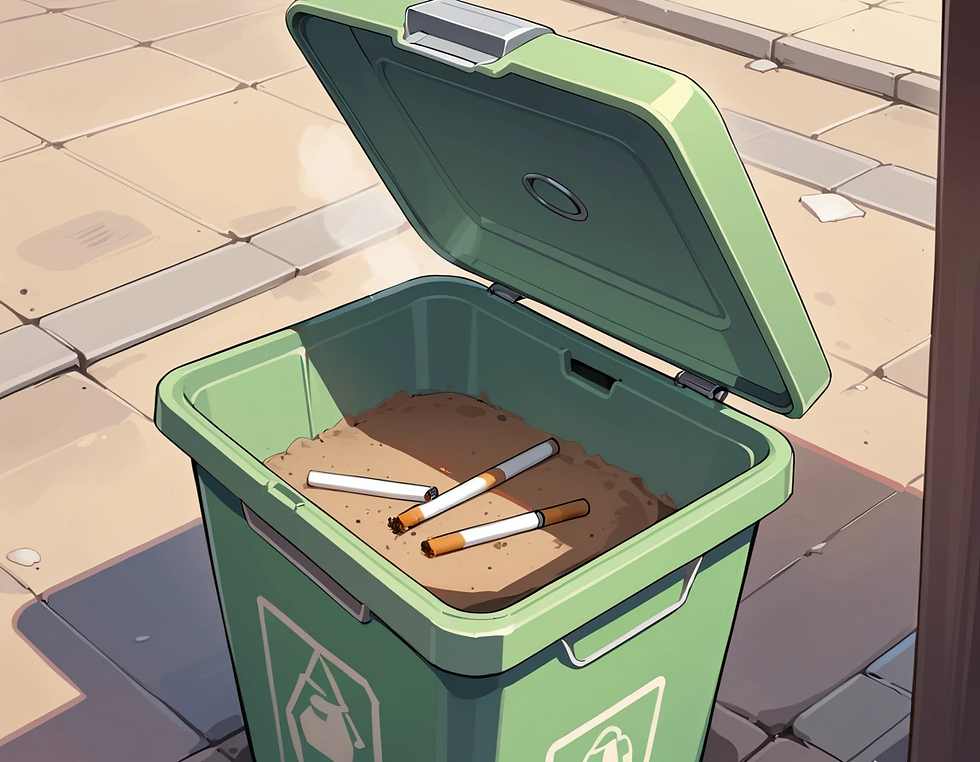
Addiction can take many forms, from smoking and drinking to social media, junk food, and even compulsive behaviors like masturbation. Breaking free from unhealthy habits is challenging, but the 21-day method offers a structured and effective way to replace addictions with healthier alternatives. Studies suggest that it takes around 21 days to form a new habit or break an old one. By committing to positive change for just three weeks, you can reset your mind and body, reducing dependence on destructive behaviors.
If you struggle with addiction, this guide will help you understand the 21-day method and how to apply it effectively. With determination, consistency, and the right mindset, you can reclaim control over your life and develop habits that support your well-being.
Why Only 21 Days?
The reason behind the 21-day method is based on research that suggests it takes approximately 21 days for the brain to adapt to new habits and changes. When you consistently avoid a habit for three weeks, your brain starts rewiring itself to function without that behavior. This is known as neuroplasticity—the ability of the brain to reprogram itself. Over time, the urges and cravings reduce significantly, making it easier to replace old habits with healthier ones. While 21 days is the foundation, long-term success depends on continued discipline and self-control.
Step 1: Acknowledge and Commit
The first step in breaking an addiction is recognizing the problem and making a firm commitment to change. Without a clear decision, it is easy to fall back into old habits. Here’s how to start:
Identify the addiction you want to overcome.
Understand how it negatively affects your life.
Write down your reasons for quitting and set a specific goal.
Inform close friends or family members who can support you on this journey.
Visualize your life free from addiction and stay motivated.
Step 2: Remove Triggers and Temptations
Environmental cues often reinforce addiction. By eliminating triggers, you reduce the chances of relapse. Take these steps:
Get rid of any items related to the addiction (cigarettes, alcohol, junk food, etc.).
Change your routine to avoid situations where you feel tempted.
Unfollow social media accounts or influences that encourage addictive behaviors.
Replace negative habits with healthier distractions such as reading, exercising, or meditation.
If struggling with excessive masturbation, avoid adult content, install website blockers, and reduce alone time.
Step 3: Replace Addiction with Positive Habits
Breaking an addiction is easier when you replace it with a healthier alternative. The 21-day method encourages forming new, positive habits to fill the void left by addiction. Consider these alternatives:
If addicted to social media, replace screen time with outdoor activities or hobbies.
If battling smoking, chew gum, practice deep breathing, or exercise.
If struggling with junk food, replace it with healthy snacks and home-cooked meals.
If dealing with excessive drinking, switch to herbal teas or fresh juices.
If overcoming compulsive masturbation, engage in fitness routines, creative hobbies, or social interactions to redirect energy positively.
Step 4: Track Your Progress
Tracking progress helps keep motivation high and prevents relapse. Keep a journal or use habit-tracking apps to monitor your journey:
Write down daily reflections on your thoughts and feelings.
Celebrate small wins, like a full day or week without engaging in the addiction.
Record cravings and how you managed them.
Adjust your strategy if you notice patterns that lead to relapse.
Step 5: Seek Support and Stay Accountable
Accountability increases success rates in breaking addiction. You don’t have to go through this alone. Consider:
Joining a support group or an online community of people with similar goals.
Talking to a trusted friend, mentor, or therapist for guidance.
Rewarding yourself for milestones reached (without falling back into addiction).
Practicing self-compassion; if you slip, don’t give up—start again with renewed focus.
Step 6: Strengthen Your Mindset for Long-Term Success
After 21 days, your addiction will have significantly weakened, but the journey doesn’t stop there. To ensure long-term success:
Continue reinforcing healthy habits beyond the initial 21 days.
Focus on self-discipline and self-awareness to prevent relapse.
Use mindfulness, meditation, or affirmations to strengthen willpower.
Stay engaged in positive activities that enhance mental and physical well-being.
Overcoming addiction is a challenge, but the 21-day method provides a structured and achievable way to break free. By committing to daily progress, removing triggers, adopting healthier habits, and staying accountable, you can regain control of your life. Whether it’s smoking, social media, or excessive masturbation, the key is to replace destructive behaviors with positive habits that uplift you. Remember, it’s not about perfection but persistence. Start your 21-day journey today and embrace a healthier, addiction-free future!