How to Prevent and Treat Knee Pain
- Flex and Fuel

- Mar 29, 2025
- 3 min read
Knee pain is a common issue among fitness enthusiasts and beginners alike. Whether you're a runner, weightlifter, or someone who enjoys bodyweight exercises, knee discomfort can hinder your progress and even lead to long-term injuries if not addressed properly. Knee pain can range from mild discomfort to severe conditions that affect mobility, making it essential to understand its causes, prevention strategies, and treatment options.
Many factors contribute to knee pain, including improper form, muscle imbalances, overuse, and even inadequate footwear. By adopting the right approach to training, stretching, and recovery, you can significantly reduce your risk of knee injuries and continue to enjoy your workouts without pain.
In this guide, we will explore the common causes of knee pain, practical strategies to prevent it, and the most effective treatments to help you recover quickly and maintain an active lifestyle.

Common Causes of Knee Pain During Exercise
1. Poor Form and Technique
Improper movement patterns during exercises like squats, lunges, and jumps can put excessive stress on the knee joint, leading to pain and potential injuries.
2. Overuse and Lack of Recovery
Exercising too frequently without adequate rest can cause strain on the knee joint, leading to inflammation and discomfort. Overuse injuries, such as patellar tendinitis, are common among athletes who neglect recovery.
3. Weak Muscles Around the Knee
If the muscles supporting your knee, such as the quadriceps, hamstrings, and glutes, are weak, your knee will bear more stress, increasing the risk of pain and injury.
4. Improper Footwear
Wearing worn-out or unsupportive shoes can cause poor alignment and extra strain on your knees, leading to pain over time.
5. Pre-existing Conditions
Conditions like arthritis, previous injuries, or genetic knee issues can make you more susceptible to knee pain when exercising.
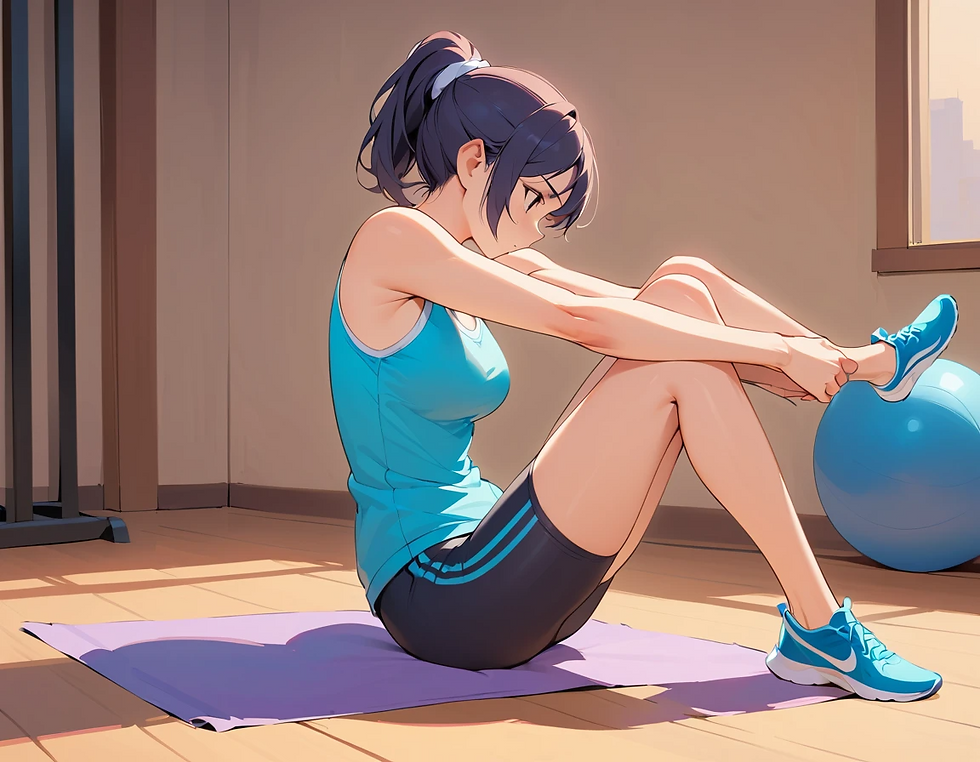
How to Prevent Knee Pain Before Exercising
1. Warm-Up and Stretch Properly
Before jumping into intense exercises, warm up with light cardio and dynamic stretches. This increases blood flow, loosens up muscles, and prepares your joints for movement. Focus on stretches that target your quads, hamstrings, and calves.
2. Strengthen Supporting Muscles
Building strength in your quadriceps, hamstrings, and glutes helps stabilize the knee joint and reduce strain. Exercises like leg presses, lunges, and hamstring curls can improve knee stability and prevent injuries.
3. Focus on Proper Form
Ensure your knees stay aligned with your toes during exercises. Avoid letting them cave inward during squats or lunges, as this puts excess pressure on the joint.
4. Avoid Overtraining
Listen to your body and incorporate rest days into your routine. If you experience knee discomfort, reduce high-impact activities and focus on low-impact exercises like swimming or cycling.
5. Wear the Right Footwear
Invest in quality athletic shoes with good cushioning and arch support. If you have flat feet or high arches, consider using custom insoles to improve alignment and reduce knee stress.
6. Modify High-Impact Exercises
If you experience knee pain, opt for low-impact alternatives such as step-ups instead of jumping lunges or cycling instead of running. These modifications can help you stay active without aggravating your knees.

How to Treat Knee Pain After Exercising
1. Rest and Ice Therapy
If you experience knee pain, take a break from high-impact activities and apply ice to the affected area for 15-20 minutes to reduce swelling and inflammation.
2. Compression and Elevation
Wearing a knee brace or compression sleeve can provide support and reduce swelling. Elevating your leg can also help decrease inflammation.
3. Gentle Stretching and Mobility Work
Once the pain subsides, perform gentle stretching and mobility exercises to keep the knee flexible and prevent stiffness.
4. Strength Training and Rehab Exercises
Strengthening exercises such as leg raises, glute bridges, and resistance band work can help restore knee function and prevent future pain.
5. Consult a Professional
If knee pain persists despite rest and home treatment, consult a physical therapist or doctor for a proper diagnosis and personalized rehabilitation plan.
Knee pain can be a frustrating setback, but with proper prevention and treatment strategies, you can keep your joints healthy and continue progressing in your fitness journey. Focus on proper form, strengthen your supporting muscles, and listen to your body to prevent injuries. If pain arises, address it early with rest, stretching, and professional guidance if needed.
Maintaining strong, flexible, and well-supported knees is essential for a long-lasting and pain-free fitness journey. Whether you’re a beginner or an experienced athlete, taking the right precautions will ensure that you stay active without unnecessary setbacks. Prioritize knee health, stay consistent with strengthening exercises